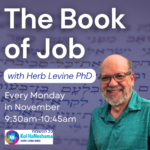
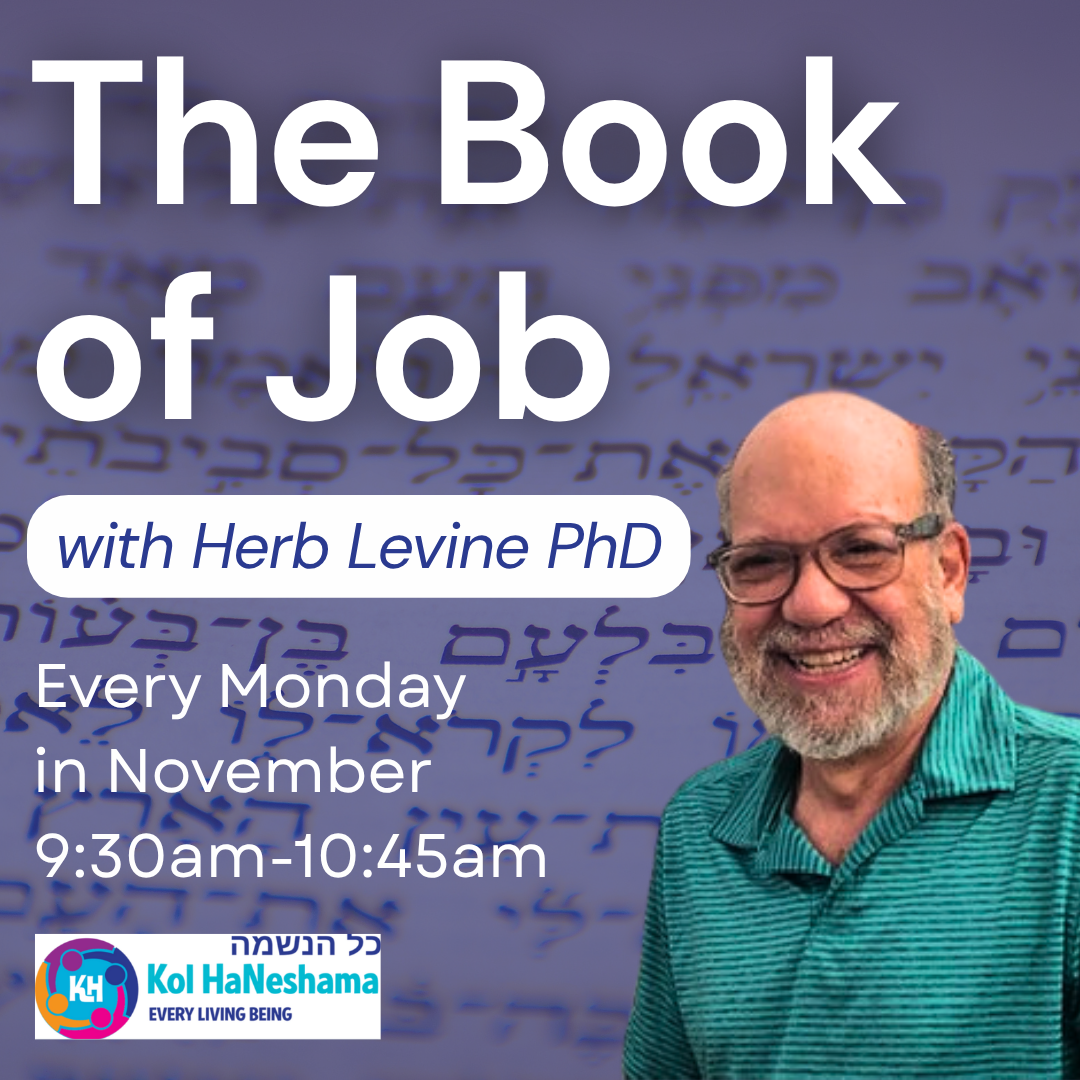
Job is probably the most challenging book in the Bible from a theological perspective. It is also the most modern, and therefore, most applicable to us. This class will give students an opportunity to appreciate and discuss the various arguments that the book sets out and its overall impact. All sessions will be held on Zoom.

Books and Bagels is a monthly KH book club featuring an assortment of fiction and non-fiction books on Jewish related topics, chosen by a committee of participants and led and discussed by our members.
For a complete list of our books this season CLICK HERE.
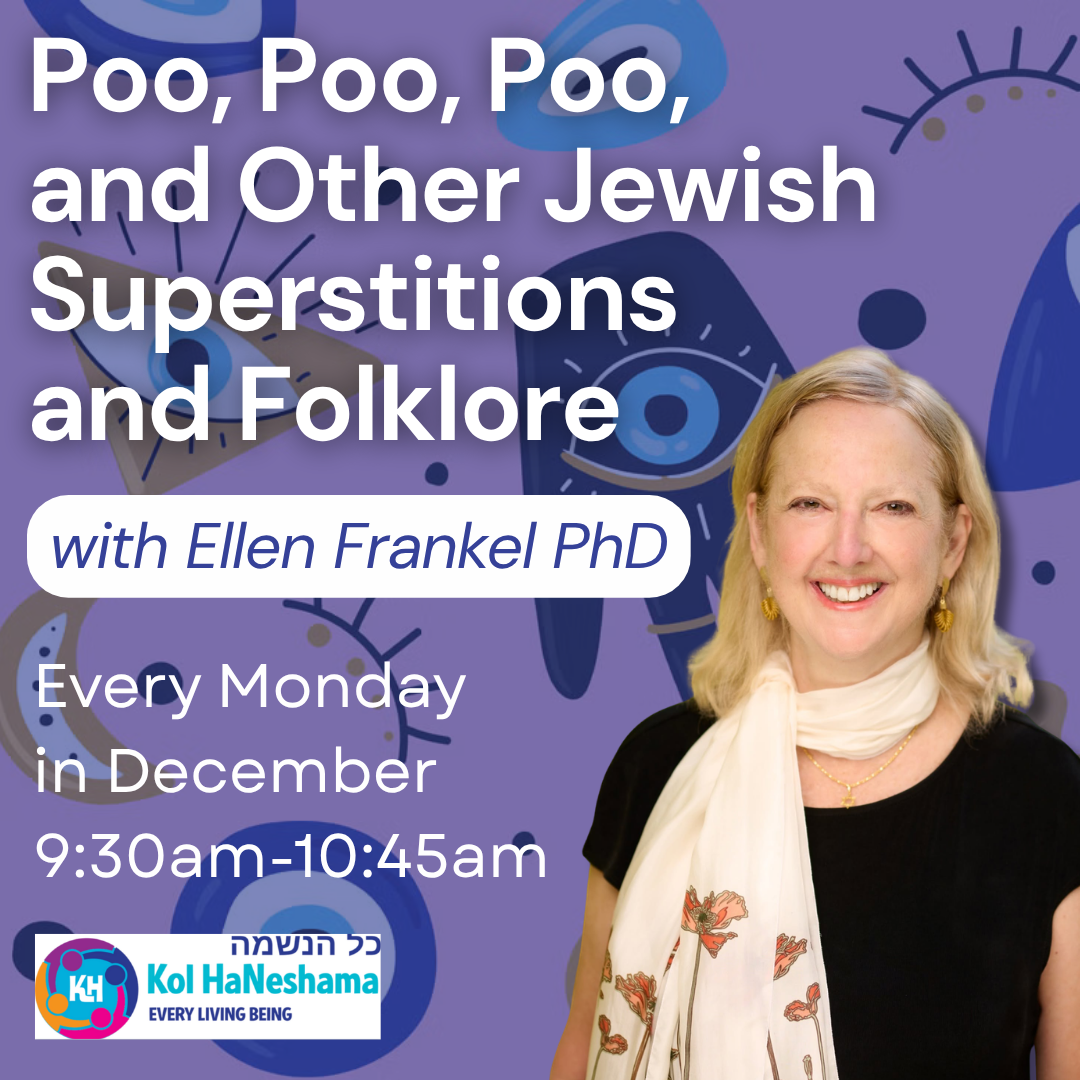
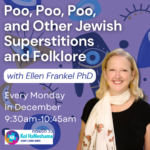
(The Jewish Folk Torah) According to Jewish tradition, Jews are governed by two canonical texts: the Written Torah (the Five Books of Moses) and the Oral Torah (rabbinic writings including the Mishnah, Talmud, and Responsa). Together these texts set out the 613 Commandments required of all observant Jews.
However, throughout the centuries, a third Torah has also had a powerful influence on Jewish practice: the Folk Torah. This collection of traditions, including folktales, superstitions, customs, symbols, and folk art has become so embedded in Jewish culture that rabbinic authorities have often had to rationalize their inclusion in “official” Jewish practices in order to conceal their origins in pagan, Christian, or secular sources.
In this course, we will explore some of these folk traditions, looking at the origins of key Jewish symbols like the mezuzah, the Star of David, the numbers 4 and 12, and tefillin; popular Jewish superstitions like kayna hora (the Evil Eye), poo-poo-poo, red thread, and knots; basic Jewish folktale motifs; and deep-rooted customs like eating dairy on Shavuot and covering mirrors during shiva.
No Jewish background is required. No Hebrew necessary. Open to all. All sessions will be held on Zoom.
Click here for more information and to register: https://www.khsarasota.org/sl/education/
(The Jewish Folk Torah) According to Jewish tradition, Jews are governed by two canonical texts: the Written Torah (the Five Books of Moses) and the Oral Torah (rabbinic writings including the Mishnah, Talmud, and Responsa). Together these texts set out the 613 Commandments required of all observant Jews.
However, throughout the centuries, a third Torah has also had a powerful influence on Jewish practice: the Folk Torah. This collection of traditions, including folktales, superstitions, customs, symbols, and folk art has become so embedded in Jewish culture that rabbinic authorities have often had to rationalize their inclusion in “official” Jewish practices in order to conceal their origins in pagan, Christian, or secular sources.
In this course, we will explore some of these folk traditions, looking at the origins of key Jewish symbols like the mezuzah, the Star of David, the numbers 4 and 12, and tefillin; popular Jewish superstitions like kayna hora (the Evil Eye), poo-poo-poo, red thread, and knots; basic Jewish folktale motifs; and deep-rooted customs like eating dairy on Shavuot and covering mirrors during shiva.
No Jewish background is required. No Hebrew necessary. Open to all. All sessions will be held on Zoom.
Click here for more information and to register: https://www.khsarasota.org/sl/education/
(The Jewish Folk Torah) According to Jewish tradition, Jews are governed by two canonical texts: the Written Torah (the Five Books of Moses) and the Oral Torah (rabbinic writings including the Mishnah, Talmud, and Responsa). Together these texts set out the 613 Commandments required of all observant Jews.
However, throughout the centuries, a third Torah has also had a powerful influence on Jewish practice: the Folk Torah. This collection of traditions, including folktales, superstitions, customs, symbols, and folk art has become so embedded in Jewish culture that rabbinic authorities have often had to rationalize their inclusion in “official” Jewish practices in order to conceal their origins in pagan, Christian, or secular sources.
In this course, we will explore some of these folk traditions, looking at the origins of key Jewish symbols like the mezuzah, the Star of David, the numbers 4 and 12, and tefillin; popular Jewish superstitions like kayna hora (the Evil Eye), poo-poo-poo, red thread, and knots; basic Jewish folktale motifs; and deep-rooted customs like eating dairy on Shavuot and covering mirrors during shiva.
No Jewish background is required. No Hebrew necessary. Open to all. All sessions will be held on Zoom.
Click here for more information and to register: https://www.khsarasota.org/sl/education/
(The Jewish Folk Torah) According to Jewish tradition, Jews are governed by two canonical texts: the Written Torah (the Five Books of Moses) and the Oral Torah (rabbinic writings including the Mishnah, Talmud, and Responsa). Together these texts set out the 613 Commandments required of all observant Jews.
However, throughout the centuries, a third Torah has also had a powerful influence on Jewish practice: the Folk Torah. This collection of traditions, including folktales, superstitions, customs, symbols, and folk art has become so embedded in Jewish culture that rabbinic authorities have often had to rationalize their inclusion in “official” Jewish practices in order to conceal their origins in pagan, Christian, or secular sources.
In this course, we will explore some of these folk traditions, looking at the origins of key Jewish symbols like the mezuzah, the Star of David, the numbers 4 and 12, and tefillin; popular Jewish superstitions like kayna hora (the Evil Eye), poo-poo-poo, red thread, and knots; basic Jewish folktale motifs; and deep-rooted customs like eating dairy on Shavuot and covering mirrors during shiva.
No Jewish background is required. No Hebrew necessary. Open to all. All sessions will be held on Zoom.
Click here for more information and to register: https://www.khsarasota.org/sl/education/